A remembered life
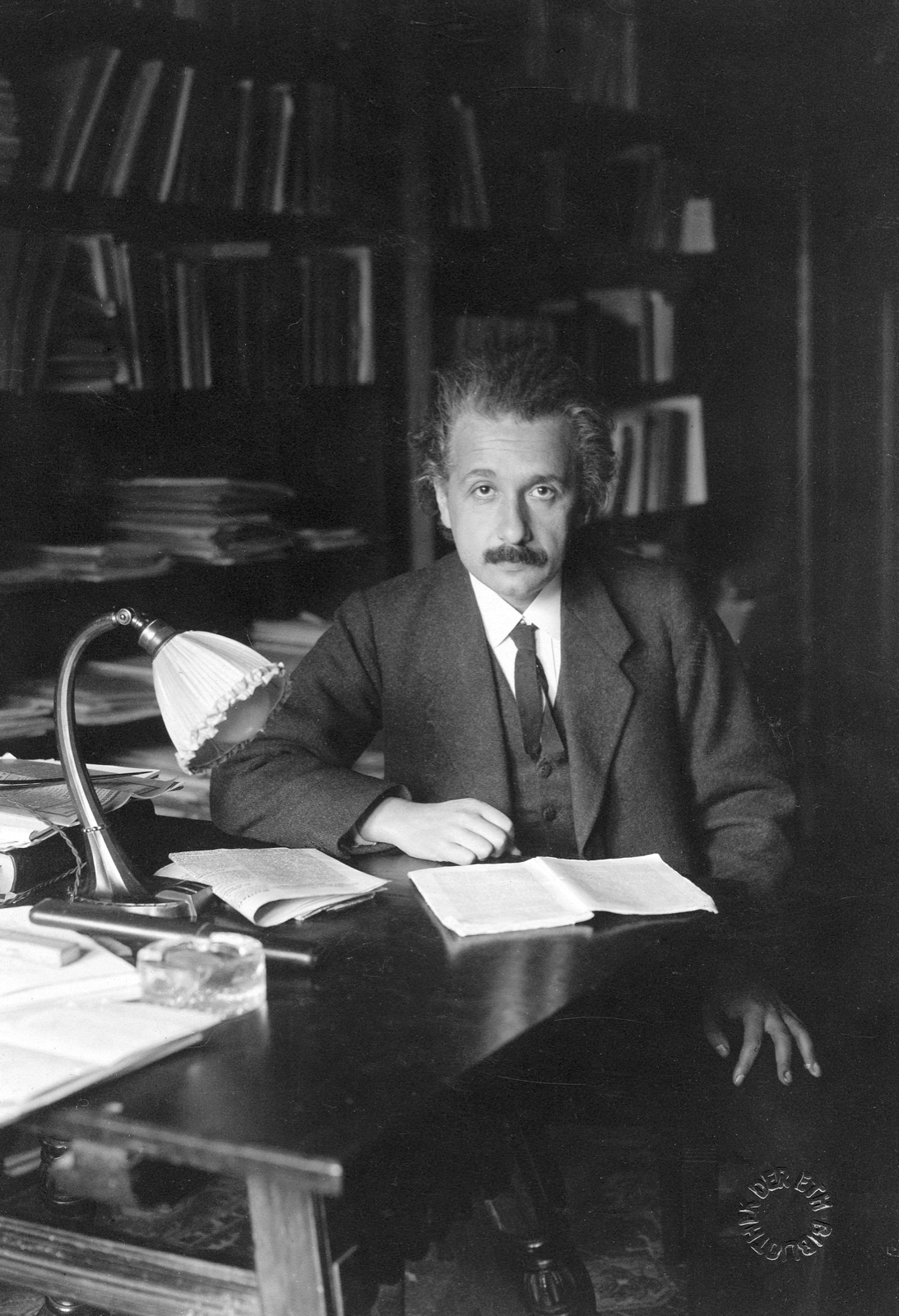
Albert Einstein was born in Ulm in 1879 and grew up in Munich before studying at the Swiss Federal Polytechnic in Zurich. His early curiosity about mathematics, physics, and the hidden order of nature shaped a life devoted to asking unusually deep questions. After graduation, he worked at the Swiss patent office in Bern, where he continued developing ideas that would soon change modern science.
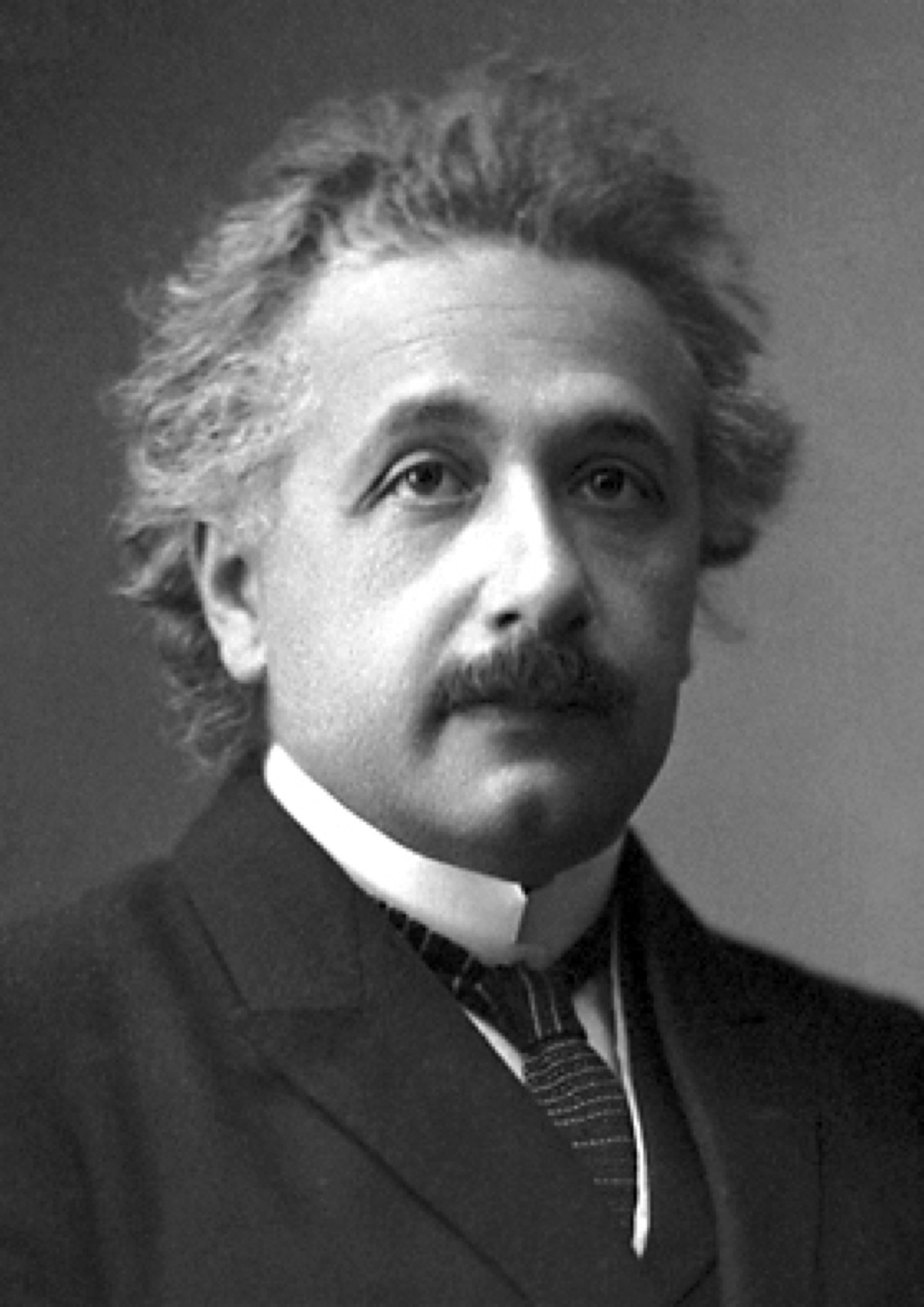
In 1905, Einstein published a remarkable series of papers on light quanta, Brownian motion, special relativity, and mass-energy equivalence. These works challenged accepted assumptions and opened new ways to understand light, matter, space, and time. His explanation of the photoelectric effect later became central to quantum theory and was recognized with the 1921 Nobel Prize in Physics.
Einstein later developed the general theory of relativity, a theory of gravity that linked mass, energy, space, and time in a new framework. Its predictions helped transform astronomy and cosmology, and the theory remains one of the foundations of modern physics. Beyond his scientific work, Einstein became widely known for his intellectual independence, humanitarian concerns, and public voice on peace, civil rights, and education.
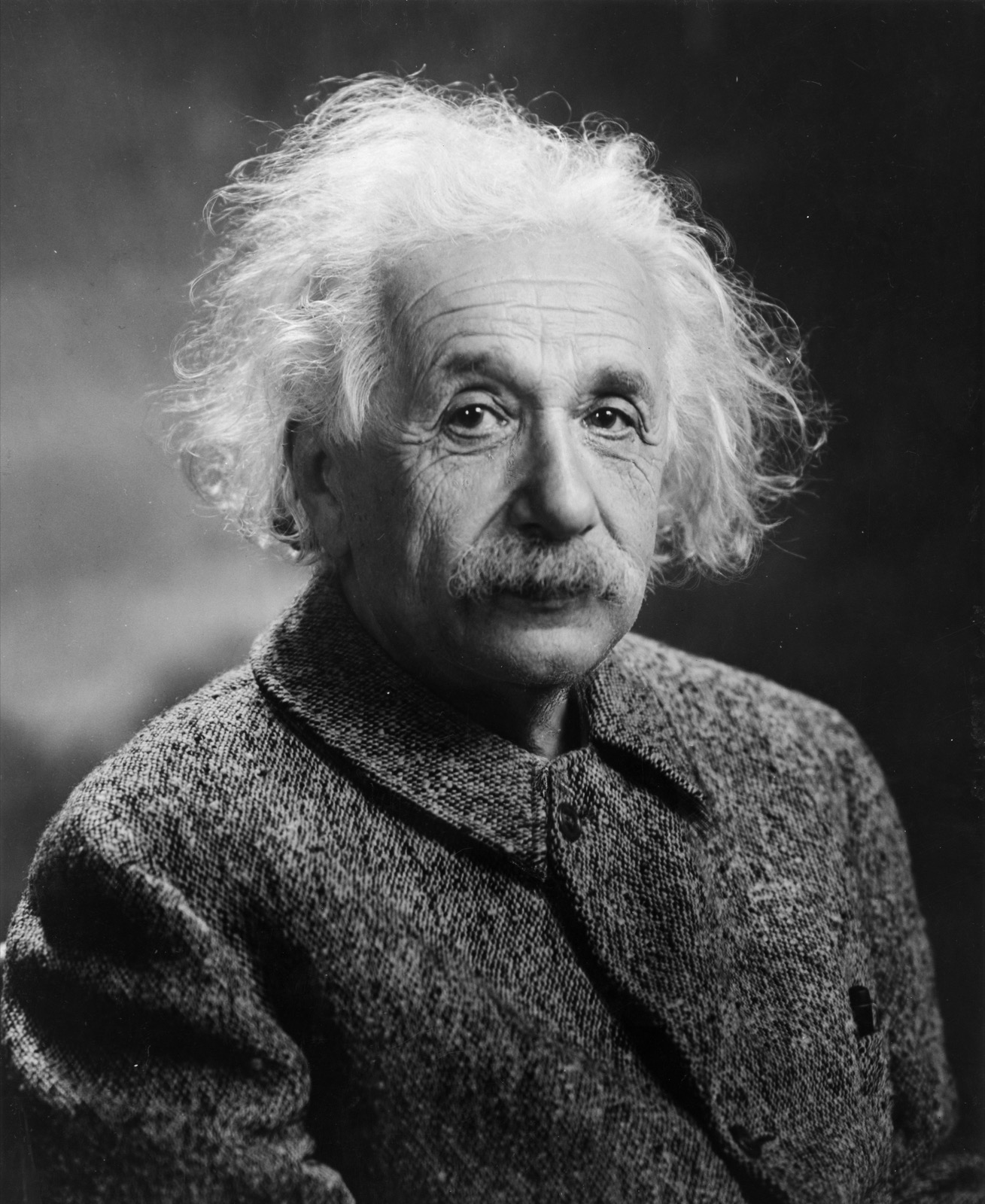
In 1933, Einstein emigrated to the United States and joined the Institute for Advanced Study in Princeton. He continued his research, writing, and public engagement there for the rest of his life. Einstein died in Princeton in 1955, leaving a legacy that continues to shape science, culture, and the public imagination.
In 1905, Einstein published a remarkable series of papers on light quanta, Brownian motion, special relativity, and mass-energy equivalence. These works challenged accepted assumptions and opened new ways to understand light, matter, space, and time. His explanation of the photoelectric effect later became central to quantum theory and was recognized with the 1921 Nobel Prize in Physics.
Einstein later developed the general theory of relativity, a theory of gravity that linked mass, energy, space, and time in a new framework. Its predictions helped transform astronomy and cosmology, and the theory remains one of the foundations of modern physics. Beyond his scientific work, Einstein became widely known for his intellectual independence, humanitarian concerns, and public voice on peace, civil rights, and education.
In 1933, Einstein emigrated to the United States and joined the Institute for Advanced Study in Princeton. He continued his research, writing, and public engagement there for the rest of his life. Einstein died in Princeton in 1955, leaving a legacy that continues to shape science, culture, and the public imagination.
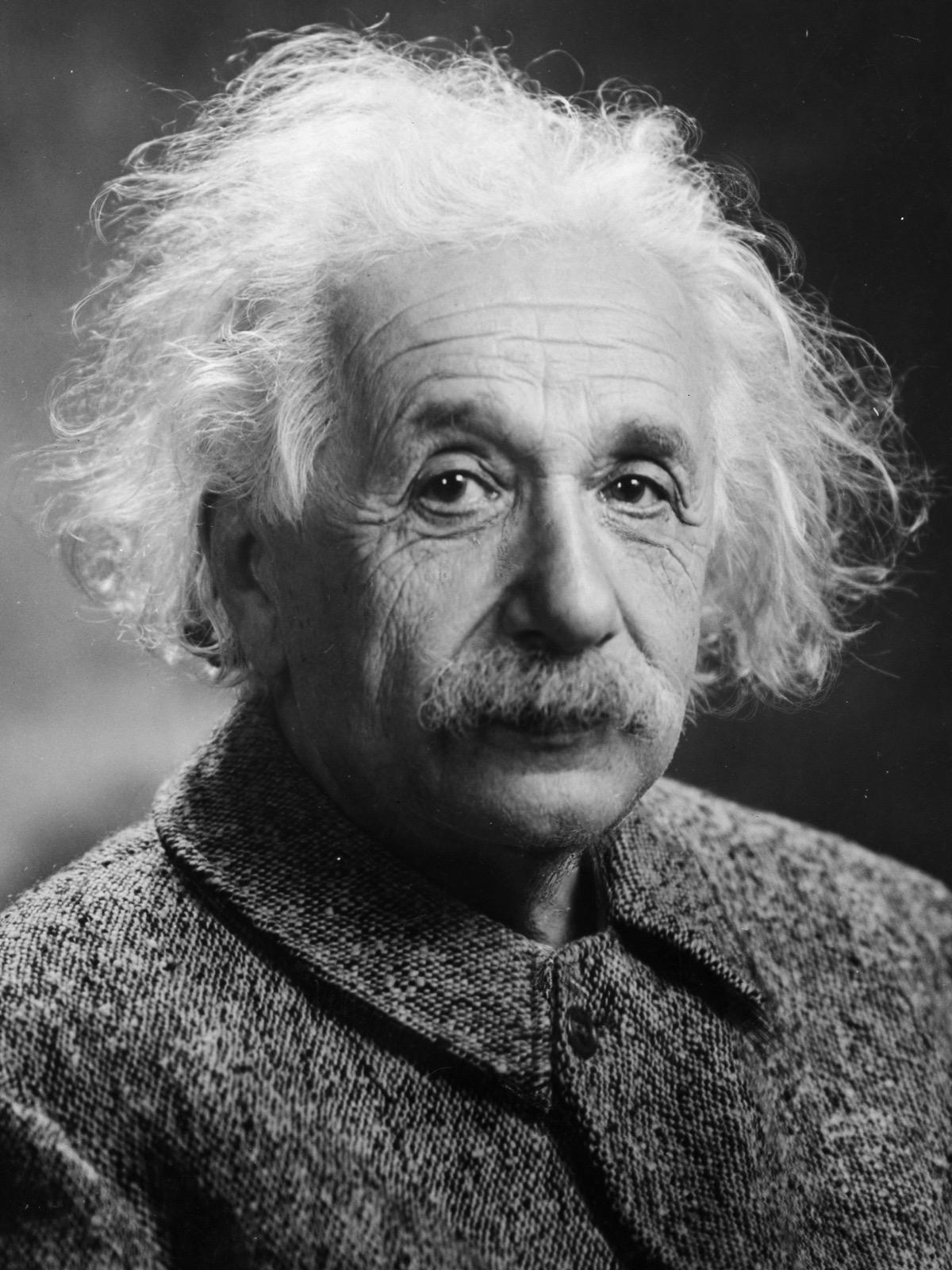
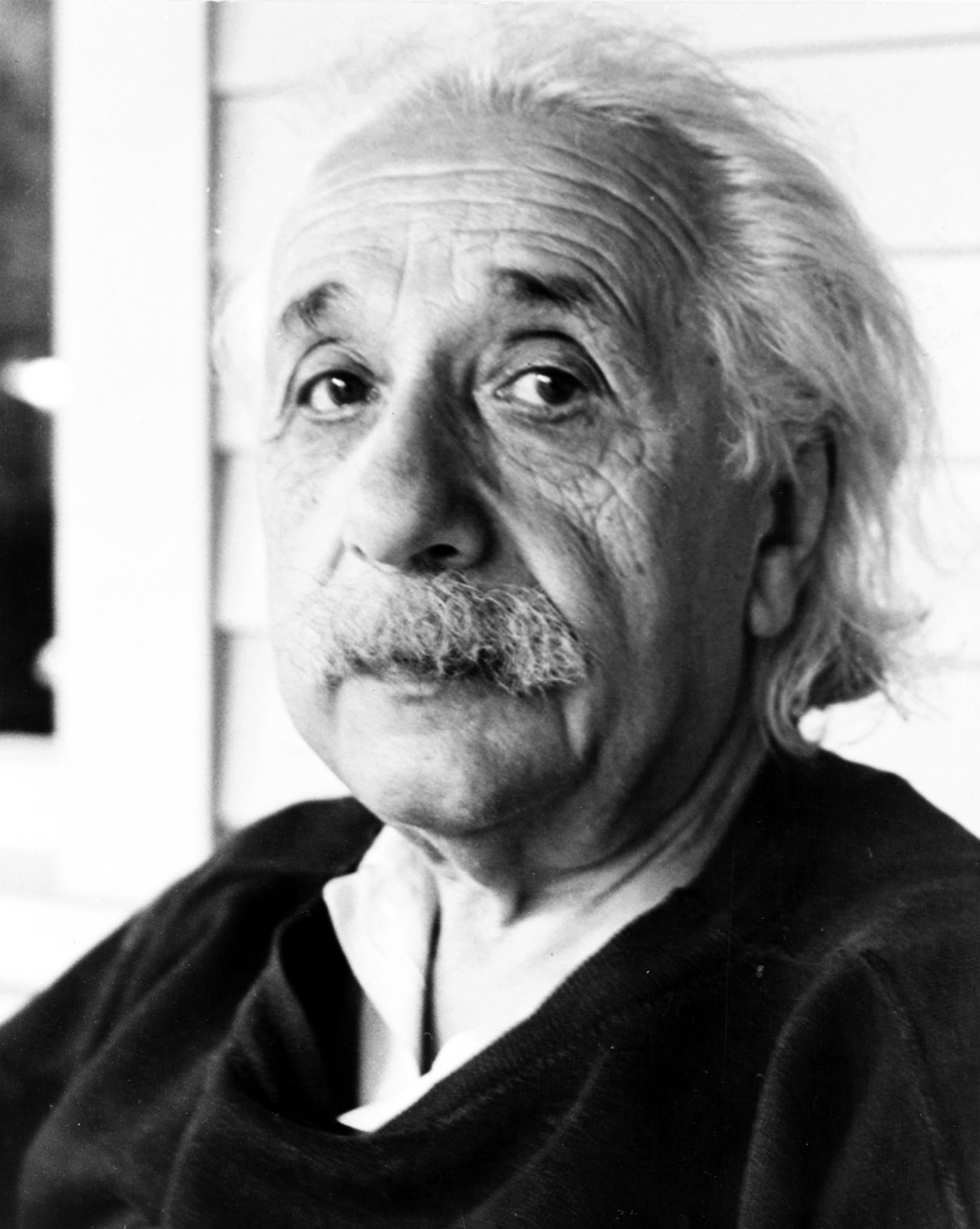
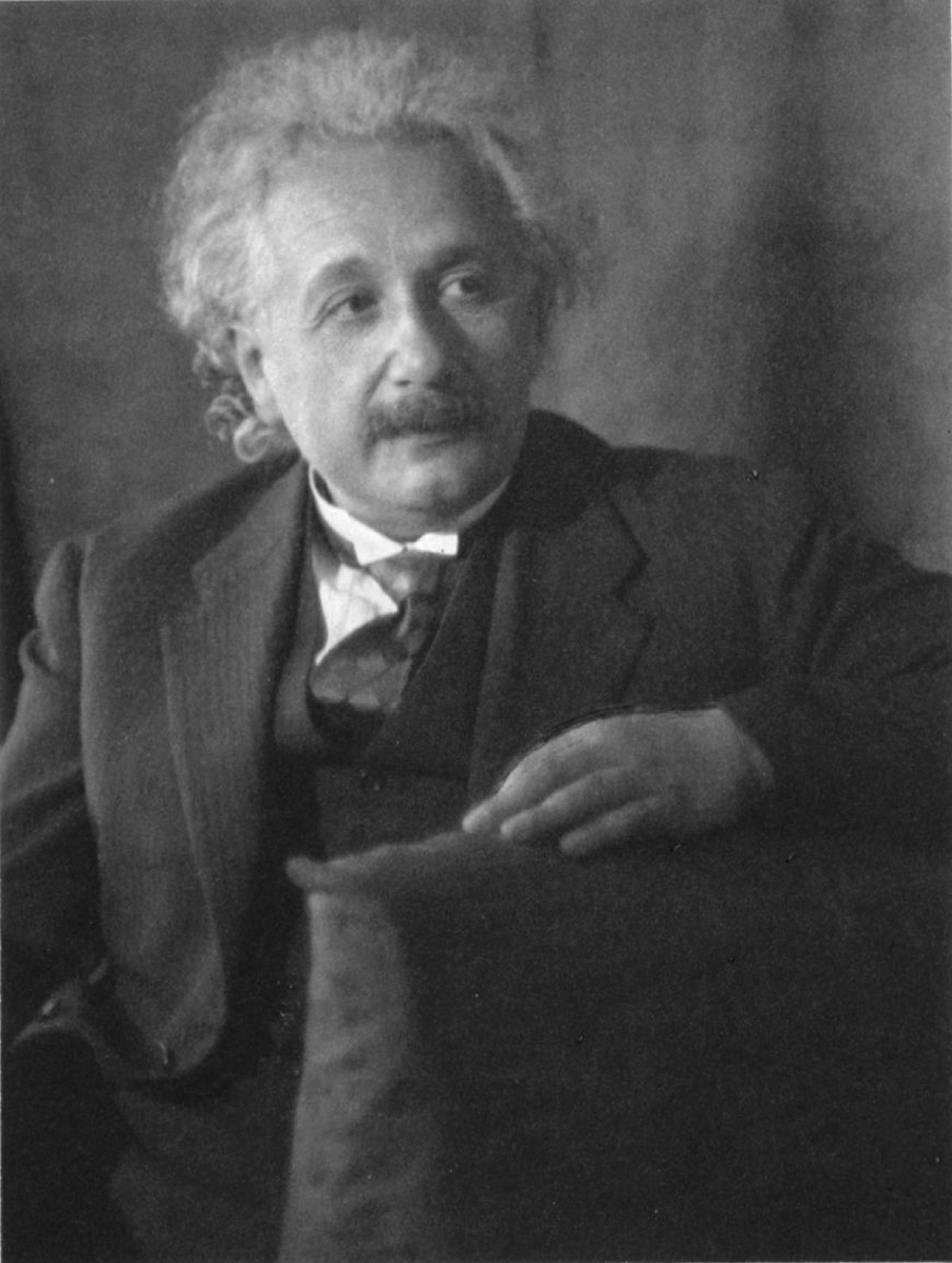
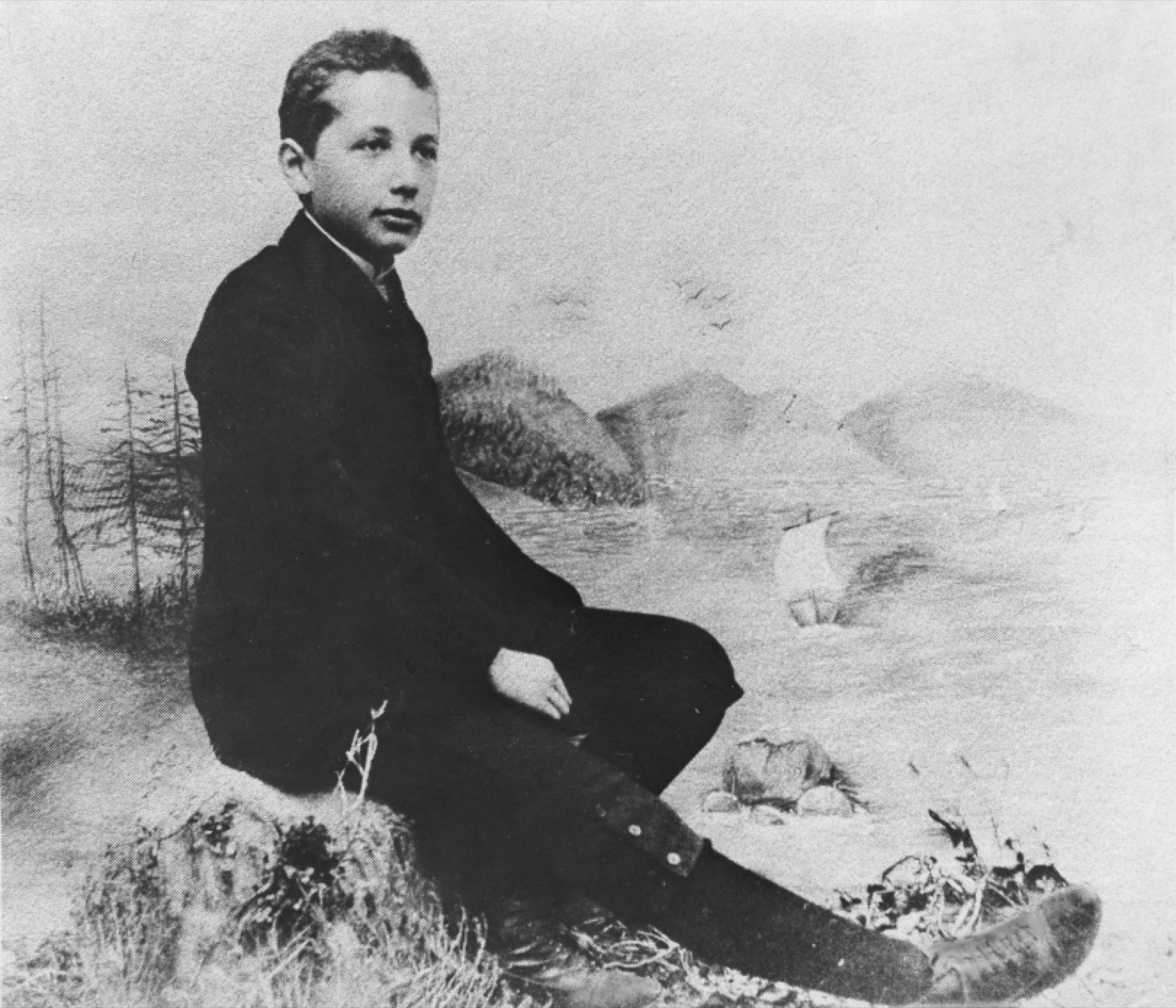
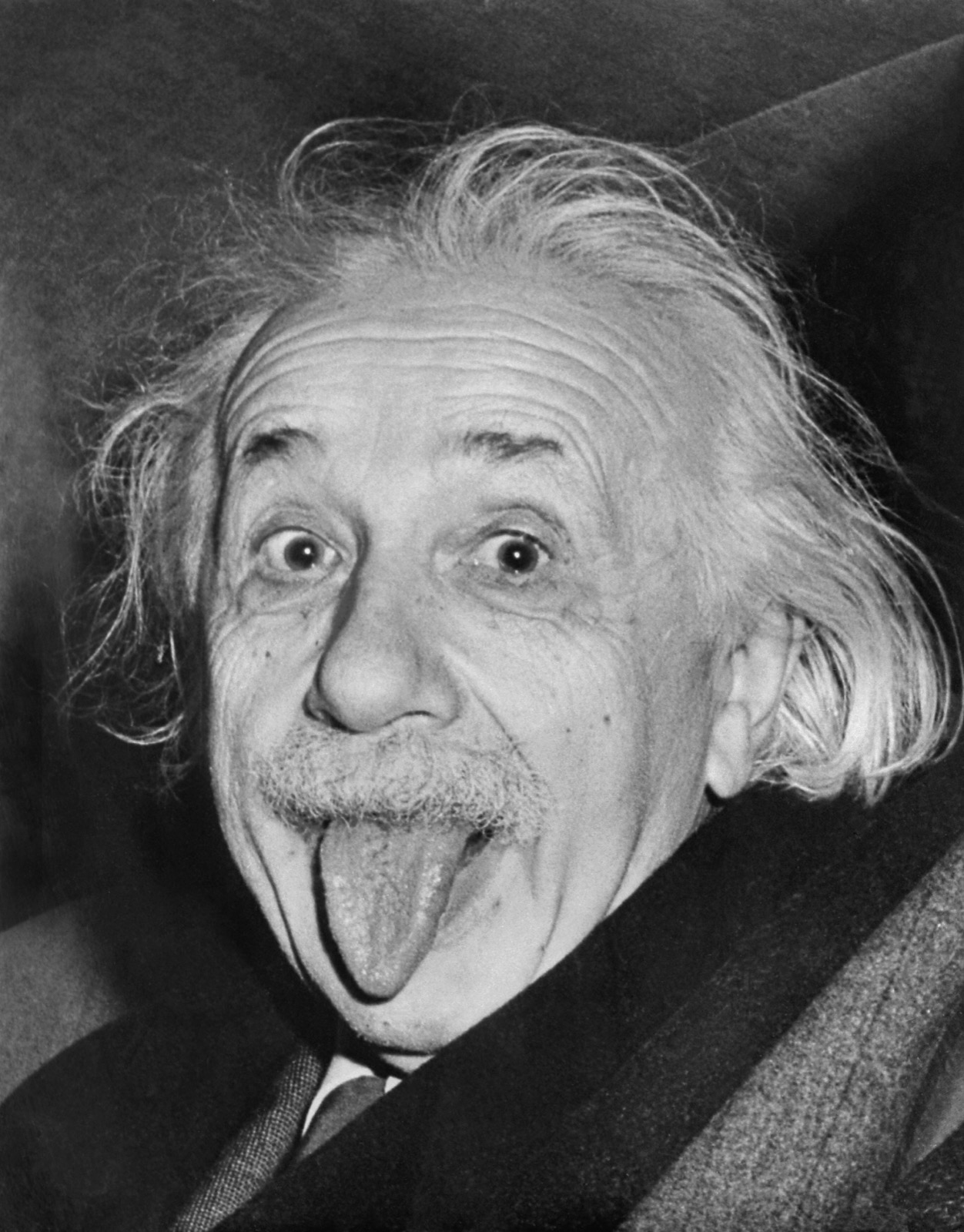
A quiet moment for someone whose work continues to matter.
The legacy here still feels alive across generations.
Remembering Albert Einstein with gratitude and respect.
A meaningful way to revisit a life that touched so many people.
The photos make the story feel much more personal.
This memorial gives admirers a respectful place to remember Albert Einstein.
Albert Einstein's work still inspires people learning about science.
A thoughtful tribute to Albert Einstein's enduring legacy.